Rooted in Relationship: Belonging Based Training with Equines
On a cool early morning, prior to the sun warms the arena sand, I view the herd surface breakfast. The old mare noses a sluggish circle a fresh hay flake and welcomes a younger gelding in. No screeches, no pinned ears, simply a soft exhale and a change of weight that states, You can be below with me. That exchange is the heart of belonging based training with equines. It is not a strategy so much as a way of seeing. People come for equine-facilitated health, equine-assisted coaching, or healing horsemanship, yet what changes them most often starts with that peaceful invite to share space. Belonging is felt prior to it is explained.
I have coached hundreds of sessions, from execs doing group structure with steeds to children in an autism equine learning program. The common thread is partnership. When belonging is the objective, mentoring with equines becomes much less concerning carrying out a task and more concerning finding out to review and respond with care. The horse brings genuineness that can not be forged. Whether a person shows up with stress and anxiety that hums in their upper body, ADHD that rattles emphasis, or sensory challenges that make even the wind really feel loud, the herd fulfills them right where they stand.
What belonging appear like in a barn
Belonging with equines is grounded in consent, clarity, and consistency. Equines are social students. They map security with predictability, congruent body movement, and the capacity to choose. An equine that can say no by walking away is also a horse whose yes brings meaning. In a belonging based strategy, the equine is a partner and an energetic communicator. We established the environment so both species can express preference without penalty.
That commonly suggests straightforward, concrete shifts. We begin unhaltered in a paddock when possible, after that relocate to a halter only after a shared check-in. We give equines time to orient to a brand-new human, and we educate people just how to see a lowered head, a lick and eat, an interested ear, or, just as importantly, a limited jaw or a tail clamp that states pause. The goal is not to evaluate every shiver, yet to treat the steed as a whole being with a nervous system that mirrors our own.
With individuals, belonging shows up as selection in just how they involve. Some customers prefer grooming in silence initially, finding rhythm in slow-moving curry circles. Others want to walk with a steed free, or practice leading with soft hands and clear borders. The session adapts, not to spoil, yet to respect nervous systems and develop capacity step by step. In this spirit, equine-assisted solutions end up being much less of a food selection and more of a partnership field.
Sorting the language so we know what we are doing
The field uses overlapping terms, and that can perplex clients. I often tend to define them in ordinary language so people can select the best doorway.
Therapeutic horsemanship normally includes finding out horsemanship skills, such as pet grooming, tacking, and placed or unmounted workouts, with adjustments for physical, cognitive, or psychological demands. It can enhance equilibrium, sychronisation, and confidence.
Equine-assisted tasks are organized interactions with horses, usually recreational or academic, that build abilities like interaction or problem addressing. Think challenge programs at liberty, or learning to lead a horse via patterns.
Equine-assisted solutions is a broader umbrella that includes tasks, training, and some medical solutions. It can be found in many formats and settings, from farms to healing riding centers.
Equine-facilitated coaching and equine-assisted mentoring concentrate on personal and expert development as opposed to medical therapy. These sessions utilize the horse as a receptive companion to brighten patterns in leadership, boundaries, or relational style.
Equine-facilitated wellness sits in between coaching and mental wellness support, and in some programs includes partnership with therapists or bodyworkers. Somatic healing with steeds often lives below, where breath, posture, and sensation lead the learning.
None of these are equally special on the ground. A session may begin as experiential discovering with horses and move right into equine-facilitated coaching as understanding emerges. The important part is quality regarding range, objectives, and consent.
Why equines help policy stick
People typically ask why steeds seem to calm them faster than a meditation application or a walk in the park. Co-regulation is the short solution. Steeds are prey pets with severe sensitivity to nonverbal signals. They observe refined shifts in breath, tension, and attention. When a person settles, the horse normally softens as well. When the individual climbs into anxious thinking, the equine may lift their head, freeze, or tip away. This vibrant responses loop makes the undetectable visible.
In method, that resembles paced breathing while a horse matches your cadence at the rail. It resembles a child discovering to pause before tugging, finding that a slower exhale brings the https://hectortsnm845.timeforchangecounselling.com/grounded-by-unguis-somatic-healing-with-equines-on-the-ranch horse closer. It appears like an exec realizing that the more challenging they push, the less the horse wants to comply with, which mirrors a tense boardroom in your home. These minutes support nerve system knowing in muscle mass and bone. It is not abstract. It is kinesthetic and immediate.
Somatic recovery with horses does not require a trauma narrative to be effective. It begins with present minute understanding: feet on the ground, hand on a cozy shoulder, the noise of eating. For customers that bring injury, this sensory emphasis can be maintaining. And for those checking out ADHD equine learning support, the body-based tasks supply just enough activity to involve focus without flooding it.
Safety that builds confidence without shrinking challenge
Safety is not the lack of risk, it is the existence of support and choice. Steeds are huge and opinionated. They additionally hunger for excellent management and clear demands. In a belonging based method, we established the environment to permit real link while layering in useful safeguards.
We suit horses to customers by temperament, energy, and background. A 1,200 pound draft cross with a soft eye may be best for anxious adults, while a brilliant horse that likes problems assists teens that favor engagement over comforting. We maintain healthy tack, clear arenas, and constant routines. We do not put individuals in situations where a meltdown, either equine or human, is the only means out.
We likewise teach auto mechanics without drama. Short cause start, after that longer ropes as abilities expand. Hands at the knot, not the breeze. Quiet halter modifications with the horse's head lowered. Direct your feet where you wish to go, after that invite the horse to match. These little behaviors build up. Over a typical eight session collection, I expect to see dealing with skills proceed from tentative to coordinated, and psychological policy from fragile to resilient.
A day in the field, item by piece
A first session has a different cadence than the 8th. People get here with tales about equines, some tender, some terrifying. Our work is to turn the volume down on narrative and up on instant experience. Here is a compact version of just how we structure the flow while leaving room for improvisation.
- Arrival and positioning, consisting of a short walk to meet the herd from outside the fence.
- Consent and check-in in simple language, such as, Would certainly you like to begin with grooming in the cross connections or with a few mins free in the round pen?
- Safety fundamentals woven right into the initial task, like where to stand at the shoulder and exactly how to see the equine's bubble.
- A core workout that matches the client's objective, probably leading via a pattern or practicing stillness with hand on wither.
- Reflection and assimilation, connecting really felt sense to life, then a closing routine such as a thank you scrape at the favored spot.
That list covers regarding 60 to 75 mins relying on attention and stimulation. I do not hurry. If the whole session becomes a lesson in how to slow down a steed's eating to keep every person safe in the cross connections, that is not a failure. It is life with horses, and it educates patience, timing, and body awareness.
Stories from the rail
M., a 9 years of age with a spiky connection to college, came for what her moms and dad called Choice therapy for sensory obstacles. She despised tags on t shirts, covers on beds, and the shock of smoke alarm. On day one she wanted to support an entrance and watch. The gelding Zig took 2 steps, then dropped his head to smell her boots. She laughed, then flinched, after that giggled once more. We built from that moment.
By week three, M. Was brushing Zig with a blue soft brush, counting strokes aloud. The job provided her simply sufficient framework. When the barn swallows stroked low and she shocked, we had a simple prepare for ground: seek out at the rafters, press feet right into the floor covering, exhale longer than the inhale. Zig's ear flicked back to her each time she let air go. After 8 weeks, M. Still did not like smoke alarm, but she had a mobile protocol for surprise: orient, ground, breathe out, reconnect. Her moms and dad reported less crises around sensory spikes and more self-confidence promoting for breaks.
On a various Tuesday, an elderly leadership team came for a half day of group building with equines. We made use of a liberty workout called Adhere to The Yes. The team required to move a steed via a pattern of cones without touching or approaching. The first attempt resembled a staff meeting with a lot of e-mails. 4 voices, no plan, a confused steed that opted to graze in the only patch of clover. We stopped and asked the evident: That is leading, that is sustaining, and how will the equine know? Round two, someone established direction, the others developed a border bubble with their bodies instead of sound. The horse went through the cones on a loose arc, then paused to encounter the group. The debrief was short and sharp. They identified the routine of over-talking and under-communicating in their everyday work, and they left with one agreement: fewer words, more clarity concerning role.
For anxiety assistance with equines, a pattern shows up over and over. People breathe high and quick when they stress. Horses really feel the superficial breath and respond with alertness. We explore matters and tempo. Some clients like a 4 in 6 out pattern. Others like positioning a hand on the steed's side to match the slower equine rhythm. Within two or three sessions, most discover a breath that helps them, and the steed responds in kind, dropping the head or leaning in. That co-created rate ends up being a reference factor for high risks moments off the ranch, like a work meeting or a difficult conversation.
Coaching devices that recognize both species
Equine-facilitated coaching uses timeless mentoring skills, but the equine keeps us honest. Goal setting issues, yet we define it in behaviors we can see and feel, not simply wishes. If the objective is better boundaries, we gauge it as, Can you ask the horse to step back without increasing your voice, then soften and invite them ahead again? If the goal is cooperation, we practice handoffs in a leading pattern, observing just how timing, position, and tone influence the steed's determination to comply with several people in sequence.
Curiosity is the other core device. Instead of choosing what an actions suggests, we evaluate it. If the steed crowds you at eviction, are you standing in a location that invites a closer look, or did the steed learn that pockets indicate treats? If you open your shoulders and take a longer step, does the crowding resolve? This spirit of experiment shields the equine from being a mirror for whatever and shields the person from over-interpretation.
For clients looking for ADHD equine learning assistance, I keep exercises short and specific, then vary them simply enough to keep rate of interest. A 10 min grooming circuit that turns brushes and body areas can construct sequencing skills. Leading through a pattern that alters every 2 cones supports working memory and versatility. The payoff is not just concentrate. It is company. A client who notices, I shed track at heaven cone, then resets without shame is moving a crucial exec feature ability into everyday life.
Belonging and neurodiversity
An autism equine discovering program that focuses belonging is not a one dimension fits all curriculum. Some clients need predictability above all. We maintain the pattern constant for a number of weeks, then include a little modification, such as a new brush texture or a brand-new course to the sector. Others grow on novelty yet require clear beginning and stop signs. We utilize aesthetic anchors, like a colored cone where each exercise begins and ends, together with an easy talked script.
Sensory handling matters for equines too. A loud coat, a jangling halter, or a strong aroma can be aversive. We issue resolve both instructions. If clipping noise is too much for the client, we smother with a towel and work farther from the barn. If a horse reacts to a mobility device rolling close, we begin at a range and pair strategy with tranquil support, enabling the steed to explore on their terms. Respecting both nervous systems enhances genuine participation.
What adjustments over time
In 8 to twelve sessions, patterns arise. Individuals get here with shoulders near ears, and entrust to a neck that relocates like it remembers how. They find they can state no to a steed without being mean, and the equine respects it. They really feel an of course in their upper body when the horse selects to adhere to on a slack line, which really felt feeling of yes starts to overview decisions away from the barn too.
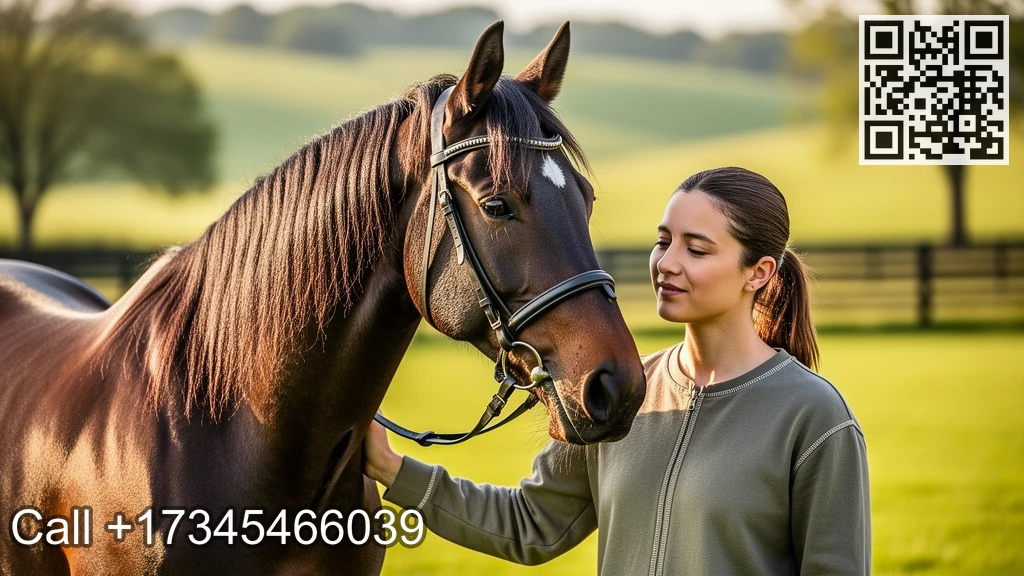
Teams that exercise with equines tend to revive 3 little but sturdy behaviors. They make one clear request at once. They verify understanding with a visible actions, not an unclear nod. And they debrief today when the task finishes, while the impacts in the sand still show the pattern they walked. These very same leaders frequently report that meetings run much shorter by 10 to 20 minutes, just due to the fact that they trade babble for signals that land.
Simple, effective exercises to attempt with guidance
If you are thinking about equine-assisted tasks or equine-facilitated training, 2 fundamental techniques can show you a great deal regarding your patterns. Collaborate with a specialist for security and for the steed's wellness.
- Boundary and invitation at the shoulder: Stand at the equine's left shoulder encountering ahead. Ask them to take one step back with a clear exhale and a little wave of your fingers towards the upper body. When they tip, soften, action in, and benefit with a rub. You will find out where you overdo and where you hesitate.
- Liberty follow: In a small pen, walk a mild contour and see if the steed picks to mirror you. If not, time out, soften your look, and transform instructions. If yes, try slowing down to a quit and breathing out. Does the horse quit with you, or do you require to welcome the stop with a little action sideways? In any case, you are already in a dialogue.
These are not tricks. They are pressure and release in the lightest feasible type, which constructs quality and trust.
Ethics and the horse's experience
Belonging consists of the horse. We arrange rest days so the herd is not asked to hold emotional labor continuously. We rotate equines so one extrovert does not lug every friendly team while a quieter horse never obtains a turn with the soft-spoken autists that might adore them. We view weight, unguis, and saddle fit, due to the fact that physical discomfort poses as behavior trouble.
I have actually rejected sessions when an equine informed me they were done for the day. That option costs income in the short term and constructs credibility in the long-term. Clients that witness us honoring the steed's no discover to recognize their very own. They come back because they rely on the container, not since we assure miracles.
How teams in fact learn with horses
Most groups do not require ropes training courses. They require straightforward feedback that links to actions, not character. Equines consider that easily. A short format that regularly operates in a half day looks like this:
- Warm up with quiet leading. Pairs guide a steed with an easy square in silence to reset communication habits.
- Clarify roles, then complete a novel task, such as relocating a herd, 2 steeds, from one end of the field to the various other with open entrances and a few distracting elements.
- Debrief based on what the equine did, not that chatted most. Call the micro-moves that worked.
In this structure, equine-assisted coaching ends up being a functional laboratory. Results show up. The group either relocated the equine securely, or they created chaos. After that they fine-tune and attempt once again. The lessons leave hoofprints, not just sticky notes.
When steeds are not the answer, and when they are
There are times when an office, a center, or a gym is the best location. If someone is acutely dysregulated, newly injured, or terrified of pets, we might start in other places. Furthermore, if a client wants just riding lessons, we may refer them to a program focused on placed skills. Coaching functions best when objectives straighten with the medium.
That stated, there are patterns where horses stand out. People that learn best by doing thrive with experiential understanding with horses. Those that really feel stuck in talk treatment typically open a brand-new door when a 1,000 pound pet responds to their silent yes. And for customers looking for an Alternate treatment for sensory challenges, the barn provides a buffet of based experiences that can be titrated thoroughly. The scent of hay, the heat of a barrel, hoofbeats on sand, the vibration of a satisfied nicker, all are inputs we can call up or down.
Getting began without the hype
If you feel attracted to this work, see a program prior to you book. See how the personnel move the horses. Do they decrease at gates, wait for the steed to lower the head before haltering, and maintain their voices steady also when something unexpected occurs? Ask just how they specify scope. If they supply equine-assisted solutions extensively, what does that mean for your objectives? If you need anxiousness support with equines, how do they titrate stimulation? If you desire equine-facilitated training for leadership, what does success look like three months later on at work?
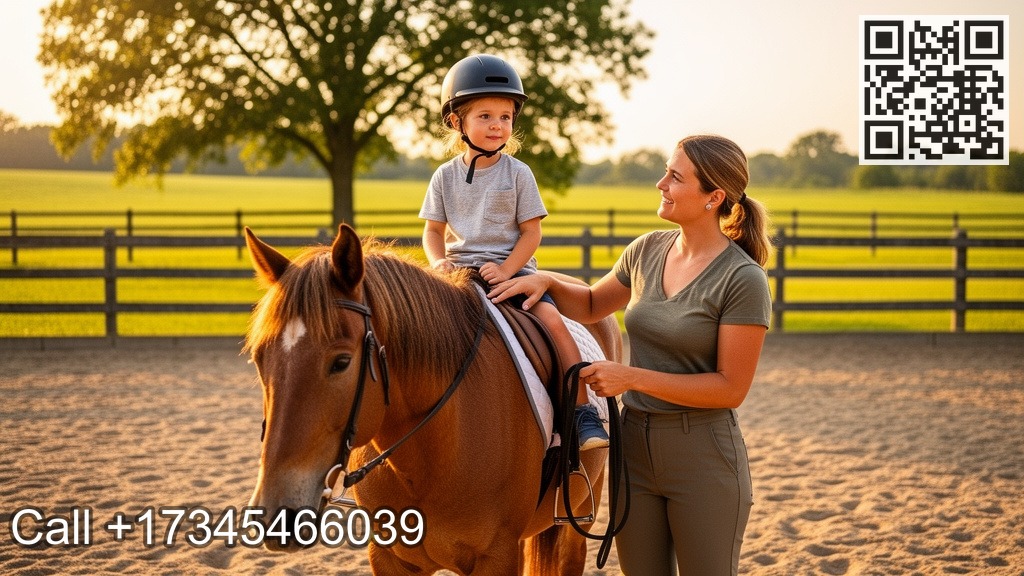
A great program will certainly welcome those questions. They will speak straight concerning security and price and what happens if the steed states no on a given day. They will certainly be sincere about the difference between a shiny photo and the real job of standing in sand, sometimes in the rain, improving your timing till the lead rope seems like a common language.
The peaceful revolution of belonging
What attracts attention after years in the field is how tiny changes surge. A teen child who can not make eye contact with instructors discovers to consider an equine's shoulder to time a request, then locates that the exact same soft look makes people really feel respected. A manager that prevented problem discovers to ask an equine to support one step, after that another, after that steps forward to invite the horse right into their area once again. Borders come to be a dancing, not a wall surface. A female who never ever trusted her impulses since they had been wondered about for years notices that the mare kicks back every time she follows her initial impulse instead of overthinking. She starts small with loved ones, and the change holds.
Belonging based mentoring with steeds is not about taking care of people. It has to do with remembering just how to be in relationship with clearness, compassion, and option. The herd currently understands how to do this. We step into their field and, with luck and practice, we allowed that wisdom form us. When it goes well, the old mare will certainly stroll a sluggish circle the human the means she does around hay, after that open up a space at her shoulder that says, You can be below with me. That is the lesson worth bring home.
Happy Hooves Wellness
9177 Gross Rd, Dexter, MI 48130
+17345466039
https://www.hhooves.com/